

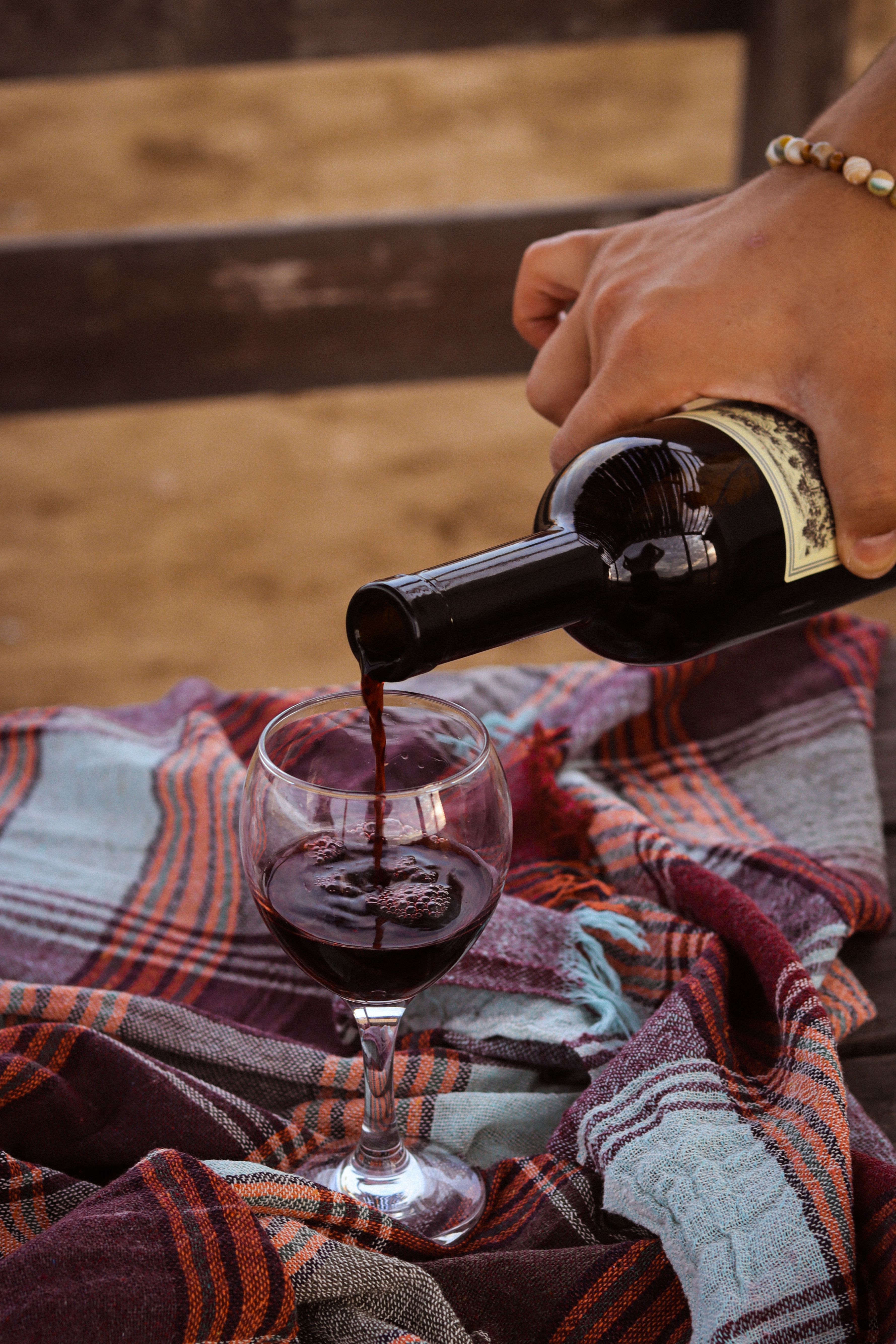
Wine Glass: How Much to Serve for Each Tasting?
Twelve centiliters, a quarter of a glass, a two-thirds filled flute: the right benchmarks change depending on the wine, and they also change how it reveals itself on the palate.
Why the quantity in a wine glass matters
The amount poured into a glass directly affects the wine's oxygenation. A glass filled too much leaves too little air for the aromas to develop: the wine goes bad, volatile compounds remain trapped below the surface. Conversely, a glass served too little deprives the guest of the visual pleasure of a beautiful color and gives an impression of a skimpy portion, even for a grand cru.
Between these two extremes, there are precise benchmarks, proven by restaurants and sommeliers, which vary according to the type of wine, the serving context, and the shape of the glass. This is the purpose of this guide: to give you, beyond a simple answer in centiliters, the means to adapt the service to every situation.
How many cl to pour depending on the type of wine
There isn't one single correct quantity, but a range for each type of wine, designed to allow each one the necessary space for its aromatic expression. Here are the standard benchmarks used in dining rooms and at tables.
| Type of wine | Quantity served | Glass fill | Serving temperature |
|---|---|---|---|
| Red wine | 12 to 15 cl | About ⅓ of the glass | 16-17 °C |
| White wine | 10 to 12 cl | About ⅓ of the glass | 12-14 °C |
| Rosé wine | 10 to 12 cl | About ⅓ of the glass | 8-10 °C |
| Champagne / sparkling | ≈ 10 cl | About ⅔ of the flute | 6-8 °C |
| Technical tasting (INAO) | ≈ 5 cl (55 ml) | ¼ of the glass | Depending on the wine tasted |
Red wine
For a red served at the table, the professional standard is between 12 and 15 cl. In a generously sized glass, this volume leaves enough air for the wine to swirl freely when swirled in the bowl, which accelerates the opening of the most subtle aromas.
White and rosé wine
White and rosé wines are generally served a little less generously, between 10 and 12 cl, in a narrower glass. This shape concentrates the aromatic freshness and limits the wine's warming upon contact with air, a sensitive point for wines often served chilled.
Champagne and sparkling wines
A flute or tulip glass is filled about two-thirds, or around 10 cl. This level leaves room for the effervescent head to form without overflowing, while concentrating the stream of bubbles that carries the aromas to the nose.
Professional tasting (INAO)
In technical tasting, the logic changes completely: the goal is not to fill the glass for drinking, but to keep a quarter of it for analysis. This protocol is covered in a dedicated section below.
The professional standard: the INAO protocol
The standardized INAO glass, with a capacity of 215 ml, complies with a precise standard established in 1977: French AFNOR standards and international standard ISO 3591. Its tulip shape, narrowing at the top, was specifically designed for analytical tasting, not for table service.
The quarter-glass principle
The protocol recommends filling the glass only a quarter full, or approximately 55 ml. This empty space above the wine is essential: it allows the liquid to be swirled without risk of spilling, and concentrates volatile aromatic compounds just above the surface, where the nose can capture them.
Ideal serving temperatures
The INAO protocol also emphasizes the importance of temperature at the time of serving: white wine is ideally tasted between 12 and 14 °C, red wine between 16 and 17 °C. These benchmarks, born from technical tasting, remain equally relevant for careful table service.
How many glasses in a bottle of wine?
Once the correct volumes are understood, a question naturally follows: how many people can be served with a single bottle? The answer directly depends on the quantity poured per glass.
Standard 75 cl bottle
- Service by the glass of 12 cl (restaurant, convivial meal) → approximately 6 glasses
- Generous service of 15 cl → approximately 5 glasses
- White or rosé wine served at 10 cl → 7 to 8 glasses
- Technical tasting at 5 cl → up to 14 to 15 glasses
Large formats and half bottles
For a dinner for two or a targeted tasting, a half-bottle (37.5 cl) provides about 3 glasses at 12 cl, a practical format for not opening an entire bottle without finishing it. Conversely, a magnum (150 cl, or two standard bottles) allows about a dozen 12 cl glasses to be served, a popular choice for large gatherings where the wine changes less often than guests refill their glasses.
Which glass to choose based on the quantity served
The shape of the glass is not just an aesthetic matter: it must match the volume you intend to pour into it. A glass that is too large for a small quantity, or too small for a generous serving, detracts from the tasting experience.
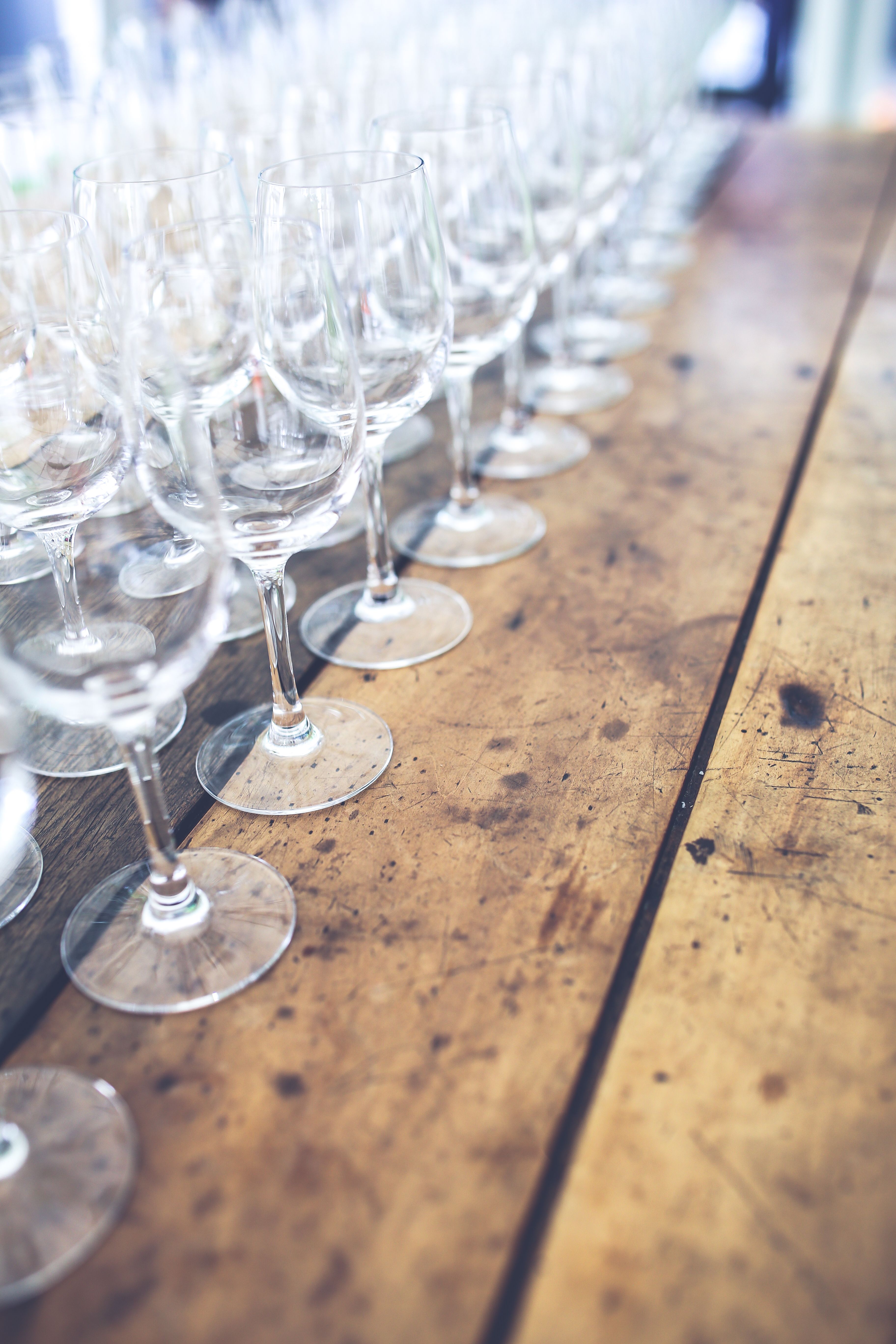
Small quantities: concentrating aromas
For a meal where several wines are served consecutively, or for a tasting involving multiple bottles, it is better to opt for a glass with a narrower bowl, in the spirit of the INAO glass. Even with only a quarter of a glass, the shape concentrates the aromas instead of dispersing them.
Generous quantities: letting the wine breathe
For a generously served full-bodied red, at 15 cl, a glass with an ample bowl like our Ambre or Gris models offers the necessary space to swirl the wine without risking spillage, while revealing its aromatic complexity over time.
A versatile glass for everyday use
If you don't want to multiply shapes according to each wine, a glass with a balanced silhouette, like our Irisé model, is suitable for most common volumes, from light white to everyday red. Find all of our wine glasses to compose your service.
Common mistakes and best practices
- Filling the glass to the brim: the wine can no longer swirl in the bowl, which blocks the release of volatile aromas.
- Choosing a glass that is too small for a full-bodied red: the narrow bowl prevents the wine from unfolding properly.
- Forgetting the headspace during a technical tasting, even though this empty space above the wine is an integral part of the protocol.
- Not rinsing the glass between two different wines during a meal with multiple pairings, which alters the perception of the next wine.
FAQ — Frequently Asked Questions about wine glass quantity
Our wine glasses
Expert selection by our team — Gustave Montclair catalog


Exclusive reader offer
−10% off the entire catalog
Valid on all our glasses, carafes and accessories.


