

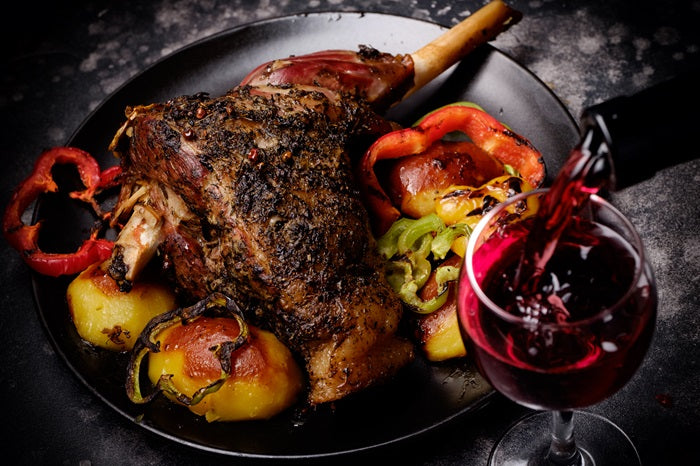
Wine with Lamb: The Best Pairings by Recipe and Grape Variety
From grilled leg of lamb to slow-cooked navarin, each cooking method calls for a different wine. The complete guide to achieving the perfect pairing and the accompanying service.
Choosing the right wine with lamb is one of the most engaging decisions one makes for a table. This noble meat, both tender and flavorful, reveals its full dimension when the chosen wine enters into dialogue with it rather than dominating it. From roasted leg of lamb with herbs de Provence to spring navarin slow-cooked over low heat, each preparation of lamb creates a different aromatic profile — and therefore calls for a different accompaniment in the glass.
At Gustave Montclair, we are committed to enhancing every tasting moment with the accessories that give it its full dimension. Because a great wine with lamb deserves to be served with care: decanting at the right moment in a quality wine decanter, choosing a wine glass adapted to the grape variety's morphology — these gestures, far from being anecdotal, reveal the complexity of the wine and transform the table into an exceptional dining experience.
In this comprehensive guide, we offer a structured approach: identifying the best wine with lamb according to the recipe and cooking method, understanding the influence of tannins and acidity, and mastering the serving practices that make all the difference.
Why the wine and lamb pairing is a crucial decision
Lamb is a meat with very specific characteristics, which largely explain the richness of possible pairings. Its intramuscular fat content gives it remarkable tenderness and a certain roundness in the mouth, but also a richness that the wine must be able to accompany without weighing it down. It is precisely this particularity that makes the choice of wine with lamb so delicate: a wine that is too light will be crushed by the power of the meat, while a wine that is too massive will stifle its delicate nuances.
Tannins play a central role here. Present in all red wines, these molecules react with the proteins and lipids of the meat to create complex sensations in the mouth — what oenologists call the tannin-protein interaction. With lamb, the best pairings are obtained with smooth tannins, neither too harsh nor too soft: they must envelop the meat with suppleness, giving it structure without drying it out. Wines with rough or astringent tannins should therefore be avoided, as they create an unpleasant dry sensation with the fat of the lamb.
The balance between acidity, fruit, and tannins is just as crucial. A well-balanced acidity refreshes the palate between each bite and prepares the taste buds for the next — this is called the "fat-cutting" effect. Conversely, an overly sharp acidity can unfavorably contrast with the sweetness of the meat. The fruit of the wine, for its part, must resonate with the aromas of the dish: notes of black fruits and spices for a grilled leg of lamb, red fruits and floral delicacy for a slow-cooked navarin.
Finally, the vegetal and spicy aromas of the wine interact with the herbs and marinade of the recipe. A lamb with herbs de Provence pairs wonderfully with a wine marked by garrigue, thyme, and rosemary — such as those found in wines from the southern Rhône Valley or Languedoc. A lamb tagine with sweet spices calls for a wine with notes of candied fruit and leather. This aromatic coherence is the secret to the best food and wine pairings.
Which wine with lamb depending on the cooking method
The way lamb is prepared profoundly transforms its taste profile, and therefore the characteristics we look for in the wine. Oven cooking develops Maillard reactions that bring grilled and caramelized notes to the surface of the meat, slow cooking tenderizes the meat and blends flavors into the sauce, and spit-roasting or grilling develops smoky and charred notes. Each cooking method therefore calls for a different approach when choosing your wine with lamb.
Roasted lamb with herbs
This is probably the most classic and widespread preparation. Roasted lamb — leg, rack, or shoulder — develops a golden crust with grilled aromas, enveloped in a concentrated cooking juice base with herbs: rosemary, garlic, thyme, parsley. To accompany this recipe, we look for a structured but elegant wine, whose smooth tannins will interact with the fat of the meat without dominating it.
The grand crus of the Bordeaux left bank — mainly Cabernet Sauvignon-based — are reference pairings with roasted lamb. Their notes of blackcurrant, cedar, and graphite, combined with fine but firm tannins, sublimate the cooking juices and aromatic herbs. In a different but equally convincing vein, Côtes-du-Rhône Villages wines based on Grenache and Syrah bring aromas of sweet spices and black fruits that echo the herbs de Provence. Finally, a Spanish Rioja Reserva based on Tempranillo, with its woody elegance and silky tannins, stands out as a remarkable alternative, often less expensive for the same gastronomic virtues.
Grilled leg of lamb and lamb chops
Grilling or plancha cooking develops smoky and meaty aromas on the surface, while preserving the juice and tenderness of the meat at the core. These preparations express the natural intensity of lamb in all its vigor — and consequently call for more full-bodied wines, capable of interacting with the smoky and caramelized notes of the grill.
Châteauneuf-du-Pape, with its aromatic power, its notes of garrigue, liquorice, and spices enveloped in round and persistent tannins, is one of the most beautiful possible pairings with grilled leg of lamb. Madiran, a wine from the Southwest primarily made from the Tannat grape, offers particularly firm tannins and an imposing structure that perfectly suits a flavorful and well-grilled meat. For a spicier and fresher approach, a Languedoc Syrah with notes of black pepper and blackberry brings a beautiful dynamic to the pairing, with an elegant and persistent finish.
Lamb navarin and stewed dishes
Spring navarin, braised shoulders, and lamb daubes share a long cooking process that melts the meat and concentrates the flavors in the sauce. The meat becomes extremely tender, the vegetables absorb the juices, and the whole forms a soft and deep dish, but significantly less intense in texture than grilled leg of lamb. The wine with stewed lamb must therefore follow this logic: more suppleness, light tannins, a beautiful fruity freshness.
Burgundy Pinot Noir perfectly embodies this pairing. Its finesse, its aromatic delicacy — red fruits, undergrowth, sweet spices — and its naturally lively acidity harmonize with the sweetness of the dish and the richness of the stewed sauce. Beaujolais Crus like Morgon or Moulin-à-Vent, fruitier and more full-bodied than simple Beaujolais, are an accessible and very convincing alternative. For preparations with spring vegetables — peas, new carrots, turnips — a red Côtes-de-Provence will bring a very pleasant touch of Mediterranean freshness.
| Lamb Recipe | Recommended Appellation | Main Grape Variety | Aromatic Profile |
|---|---|---|---|
| Roasted Lamb with Herbs | Left Bank Bordeaux (Pauillac, Saint-Julien) | Cabernet Sauvignon | Blackcurrant, cedar, fine tannins |
| Roasted Lamb with Herbs | Côtes-du-Rhône Villages | Grenache, Syrah | Spices, black fruits, garrigue |
| Grilled Leg of Lamb | Châteauneuf-du-Pape | Grenache, Mourvèdre, Syrah | Powerful, liquorice, garrigue |
| Grilled Leg of Lamb | Madiran | Tannat | Firm tannins, plum, leather |
| Grilled Chops | Languedoc Syrah | Syrah | Black pepper, blackberry, smoky |
| Navarin, Braised Shoulder | Red Burgundy (Gevrey, Nuits) | Pinot Noir | Red fruits, undergrowth, freshness |
| Navarin, Braised Shoulder | Beaujolais Cru (Morgon, Moulin-à-Vent) | Gamay | Structured fruit, floral, light |
| Lamb Tagine | Red Languedoc & Minervois | Syrah, Mourvèdre, Grenache | Oriental spices, candied fruits |
Essential grape varieties to accompany lamb
Beyond appellations, it's useful to understand the grape variety logics that govern the best pairings with lamb. This knowledge allows one to freely navigate cellars and wine lists, without being limited to the examples cited, and to discover wines in lesser-known wine regions.
Grenache, the king grape of Mediterranean lamb
Grenache is probably the grape variety that most naturally pairs with lamb, particularly in its Mediterranean dimension. This grape produces generous, round wines with smooth tannins and notes of sweet spices — cinnamon, pepper, dried herbs — that echo the garrigue and Provençal aromatics. Wines from the Southern Rhône, Catalonia, or Spain (Garnacha) perfectly embody this identity. For oenology enthusiasts, our article on why decant a wine explains why these rich wines particularly benefit from decantation before serving.
Cabernet Sauvignon and the classic Bordeaux pairing
The pairing of Bordeaux wine and lamb is one of the oldest and most celebrated in French gastronomy. Cabernet Sauvignon produces wines with a firm tannic structure, notes of blackcurrant, graphite, and cedar, with a natural acidity that cuts through the richness of the meat and cleanses the palate. This profile admirably suits roasted lamb whose caramelized juices enrich the cooking sauce. The length on the palate of these wines accompanies both the first and last bites.
Syrah, for lovers of spicy intensity
Syrah is a characterful grape variety, recognizable by its notes of black pepper, black olive, violet, and sometimes smoky or bacon. These powerful but elegant aromas happily interact with a grilled leg of lamb or braised chops. Syrah from the northern Rhône Valley — Crozes-Hermitage, Saint-Joseph — offers a more sober and mineral version, while Syrah from Languedoc or Australia (Shiraz) expresses a sunny and fruity power more suited to spicy or marinated preparations. To further master your serving skills, consult our guide on how to choose your wine glass.
Pinot Noir, the pairing of finesse with stews
For slow-cooked lamb dishes, Burgundy Pinot Noir stands out as the ideal partner. This delicate grape produces wines with a silky texture, almost transparent tannins, and remarkably complex aromas — cherry, wild strawberry, violet, truffle, and undergrowth depending on the vintage. Its finesse resonates with the sweetness of a braised shoulder or a navarin, without ever dominating the table. It is also a wine that is served at a slightly lower temperature than other reds (around 14-16°C), which allows it to maintain its aromatic freshness throughout the meal.
Tannat, for characterful dishes
Tannat, the emblematic grape variety of Madiran in Southwestern France, produces wines with particularly powerful tannins and a deep color. It is a characterful wine that generally requires aging or prolonged decantation to soften. With a well-grilled leg of lamb or a daube cooked with olives and herbs, it reveals notes of black fruits, cooked plum, leather, and liquorice of remarkable depth. Its power also makes it a natural candidate for enthusiasts looking for a more audacious pairing, off the beaten path. Before any tasting, remember to consult our guide on crystal or glass decanter to choose the right one.
Decanter and glass: serving for the sake of pairing
A perfectly selected wine can be ruined by improper service. Temperature, aeration, and the choice of container profoundly influence the perception of aromas and tannins. These elements are not presentation details — they are an integral part of the quality of the wine with lamb pairing.
When and how to decant wine with lamb
Decantation — or carafage — involves transferring the wine into a decanter to expose it to oxygen. This process slightly oxidizes the wine, which softens tannins, "opens up" aromas, and releases volatile compounds trapped in the bottle. For young and tannic wines that accompany lamb — Bordeaux, Madiran, Châteauneuf-du-Pape — decanting for one to two hours before the meal can transform a closed wine into an open and generous one.
For older or more delicate wines, such as a ten-year-old or older Burgundy Pinot Noir, decanting should be shorter and more careful: a few minutes are enough to dispel reductive aromas (sulfurous egg, rubber) without exposing fragile tertiary aromas to oxygen for too long, which could quickly dissipate. Our wine decanters are designed to adapt to both uses, with varied shapes that promote precise and controlled aeration according to your choice.

The red wine glass: shape first and foremost
The glass is not just a container — it is an instrument that directly conditions the perception of aromas, tannins, and the balance of the wine. For a red wine served with lamb, a wide-bowled glass with a slightly narrowed opening at the top is preferred. This shape promotes the oxygenation of the wine in the glass, concentrates the aromas towards the nose, and slightly moderates the perception of alcohol. The capacity of the glass also matters: a glass of at least 450 to 600 ml allows it to be filled to a third without stifling it, leaving enough space for the wine to breathe.
The quality of the glass affects when aromas are released, the fluidity of the wine in the mouth, and how tannins are perceived. A thick or overly heavy glass can create an impression of harshness where a thin, light glass reveals all the wine's suppleness. Our red wine glasses combine formal elegance and functionality to enhance each of your pairings.

Serving temperature is the third essential parameter. Red wines served with lamb are ideally enjoyed between 16 and 18°C — what is commonly called "room temperature," even though this expression is often misunderstood in the age of central heating. At 20°C or more, the alcohol becomes dominant, masks delicate aromas, and gives a heavy impression. Below 14°C, tannins harden and fruit aromas close up. For enthusiasts who wish to complete their equipment, a sommelier set includes a wine thermometer that guarantees perfect serving temperature every time.
Can white wine be served with lamb?
The question is worth asking, as the answer is less clear-cut than one might think. With light lamb — thin chops, milk-fed lamb, or a rosy rack of lamb cooked rare — a generous and full-bodied white wine can be a surprising but very successful pairing. A Viognier from the Rhône Valley, with its aromas of peach, apricot, and white flowers and its unctuous texture, harmonizes well with the sweetness of milk-fed lamb. A white Châteauneuf-du-Pape or a Marsanne from the Rhône, with their notes of wax, honey, and hazelnut, can also be unexpected but well-controlled pairings. These combinations work provided the white wine has enough body and richness to support the meat — a Muscadet or an overly crisp Sauvignon, however, would be completely overwhelmed. For festive occasions where you want to offer several pairings at the table, our champagne glasses allow you to start the meal with an elegant effervescence before moving on to red.
For those who wish to go further into the art of pairings and tasting, our oenology accessory sets bring together all the serving tools: corkscrew, thermometer, anti-drip pourer, and ring. They also make excellent gift ideas for lovers of good meals centered around a fine wine with lamb.
Conclusion: successfully pairing wine with lamb
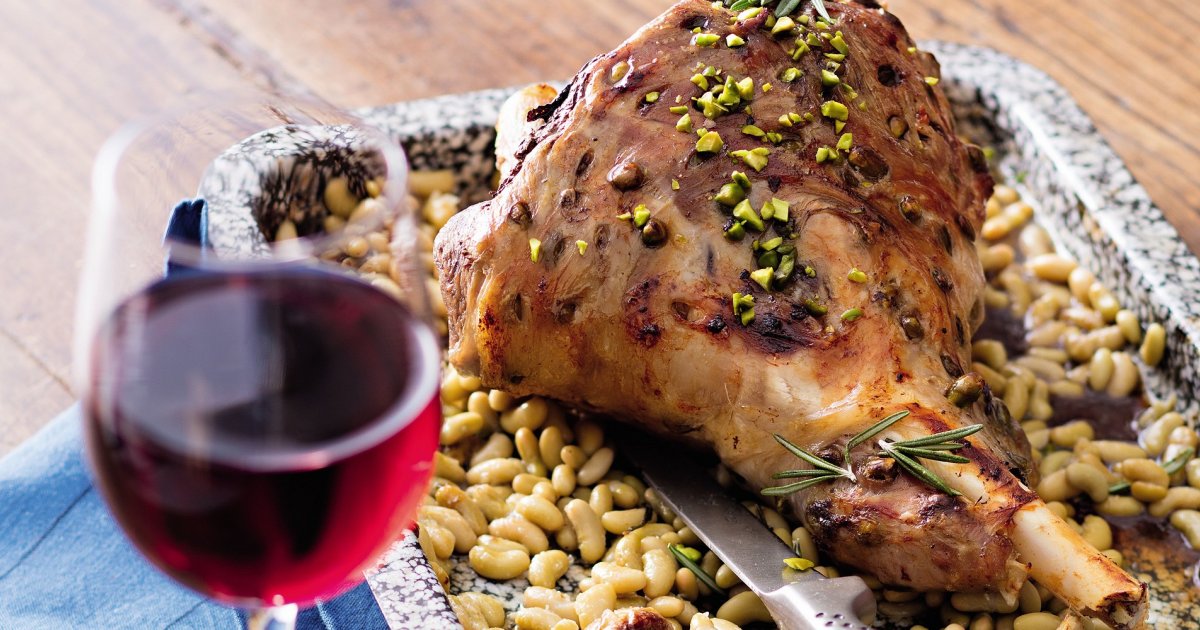
Choosing the right wine with lamb relies on a careful reading of three parameters: the cooking method, the aromatic profile of the dish, and the characteristics of the wine — tannins, acidity, fruit, and body. A grilled leg of lamb calls for a powerful and full-bodied wine like a Châteauneuf-du-Pape or a Madiran. A stewed navarin blossoms with a Burgundy Pinot Noir or a Beaujolais Cru. A herb-roasted lamb finds its ideal pairing in a great Bordeaux or a Rhône Syrah. These principles, once assimilated, allow you to navigate freely through all appellations and make remarkable discoveries.
But beyond the choice of the wine itself, it's the care taken in serving that makes the difference between a merely good pairing and an exceptional one. Decanting in an appropriate wine carafe, serving in a quality tasting glass, respecting the serving temperature — these practices reveal all the complexity of the wine and allow it to fully express its pairing with the meat. The art of the table is also the art of serving.
FAQ — Frequently asked questions about wine with lamb
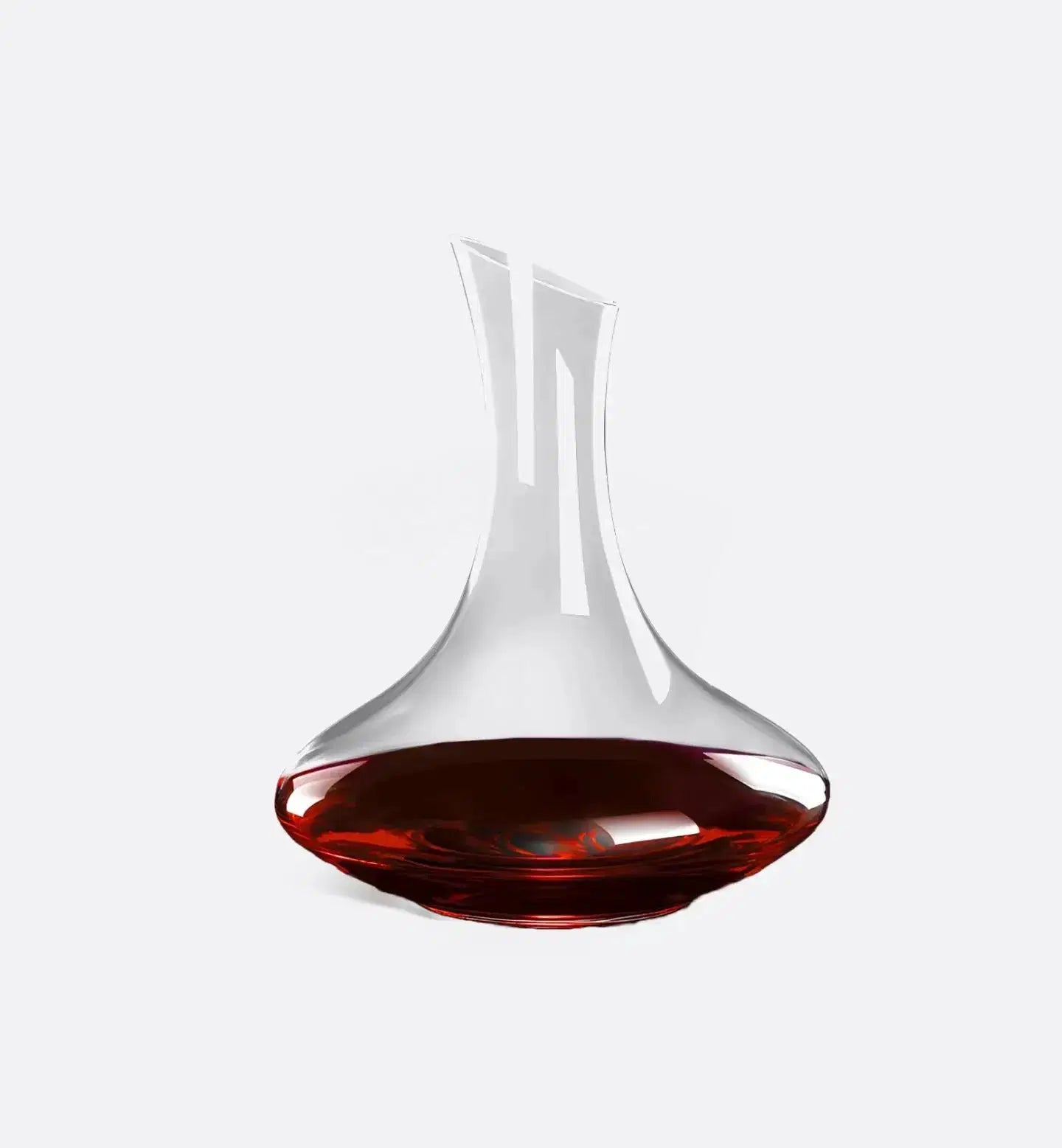
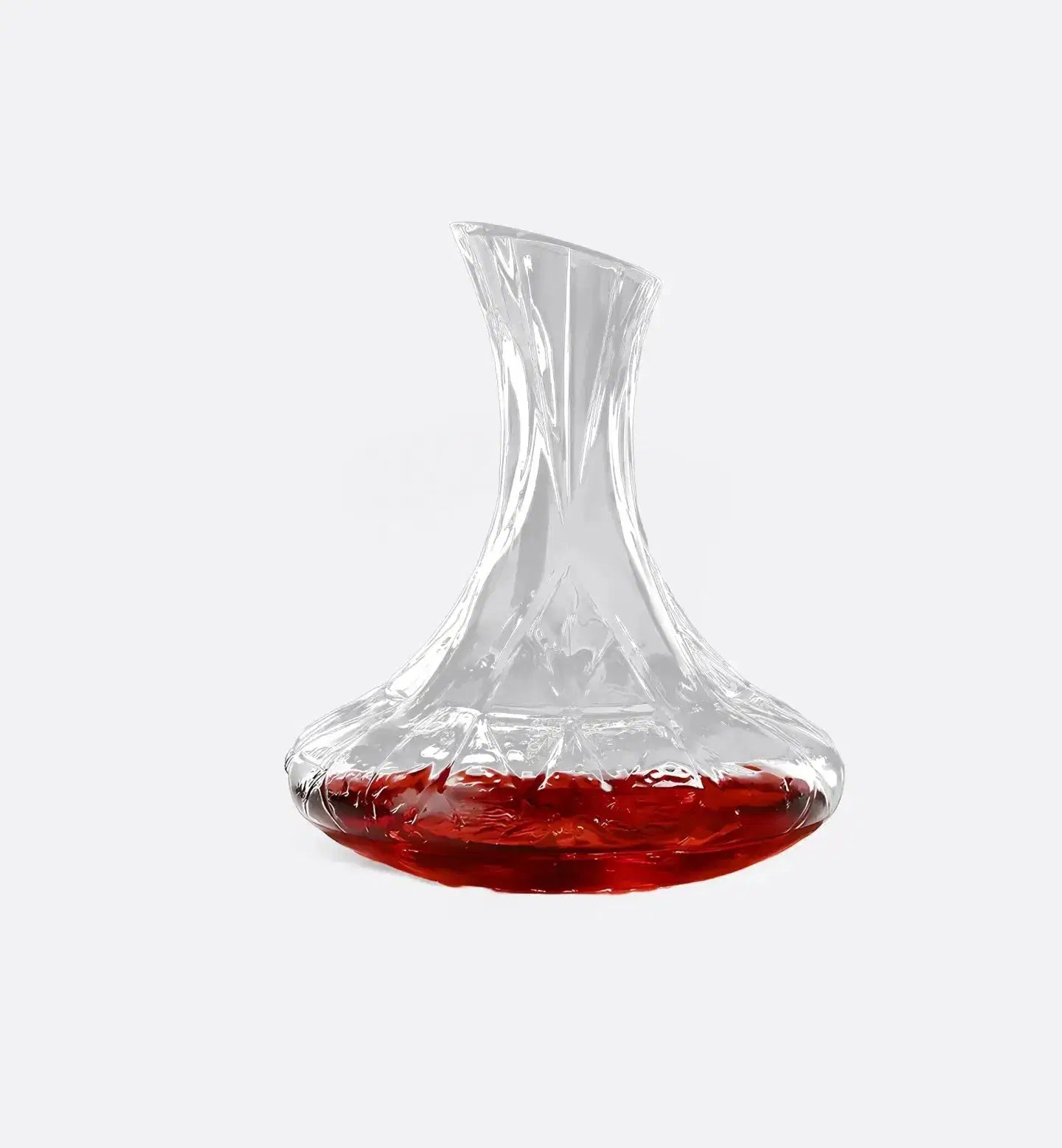
Our Wine Decanters to Enhance the Pairing
Expert selection by our team — Gustave Montclair catalog

Exclusive reader offer
−10% off the entire catalog
Valid on all our glasses, decanters, and accessories.
Sources
- BIVB – Bureau Interprofessionnel des Vins de Bourgogne — bivb.com — 2025
- Inter Rhône – Interprofessional Organization for Côtes du Rhône AOC Wines — inter-rhone.com — 2025
- CIVB – Bordeaux Wine Council — vins-bordeaux.fr — 2025


