

How to Read a Wine Label: A Complete Guide for Beginners
Appellation, estate, vintage, alcohol content, organic mentions: deciphered line by line, a wine label ceases to be a mystery and becomes your best ally in the store.
In front of a shelf of bottles, most beginners follow the same strategy: look at the price, assess the shape of the glass, sometimes rely on a pretty label. As a result, we often leave with a randomly chosen wine, without knowing if it really matches what we wanted to serve.
However, everything you need to make an informed choice is already on the bottle. A wine label is not just decoration: it's a regulated identity card, which answers essential questions even before tasting – where does this wine come from, when was it made, what style can be expected from it. This guide teaches you how to read it without unnecessary jargon, mention by mention.
Why reading a wine label changes the way you choose
Knowing how to read a wine label is not an exercise reserved for sommeliers. It's a practical skill, built with a few careful readings, and it immediately changes your relationship with the wine aisle: you stop guessing and start comparing.
Once the main mentions are identified, you can anticipate the style of a wine – its power, its freshness, its aging potential – even before uncorking it. This is also what allows you to justify a purchase, explain your choice at the table, and avoid the disappointment of a bottle that did not match the occasion.
- Quickly identify the origin and quality level of a wine (appellation, estate).
- Understand what the vintage on the bottle you are holding really means.
- Distinguish a light wine from a powerful wine based solely on the alcohol content displayed.
- Differentiate between serious environmental mentions and simple marketing hype.
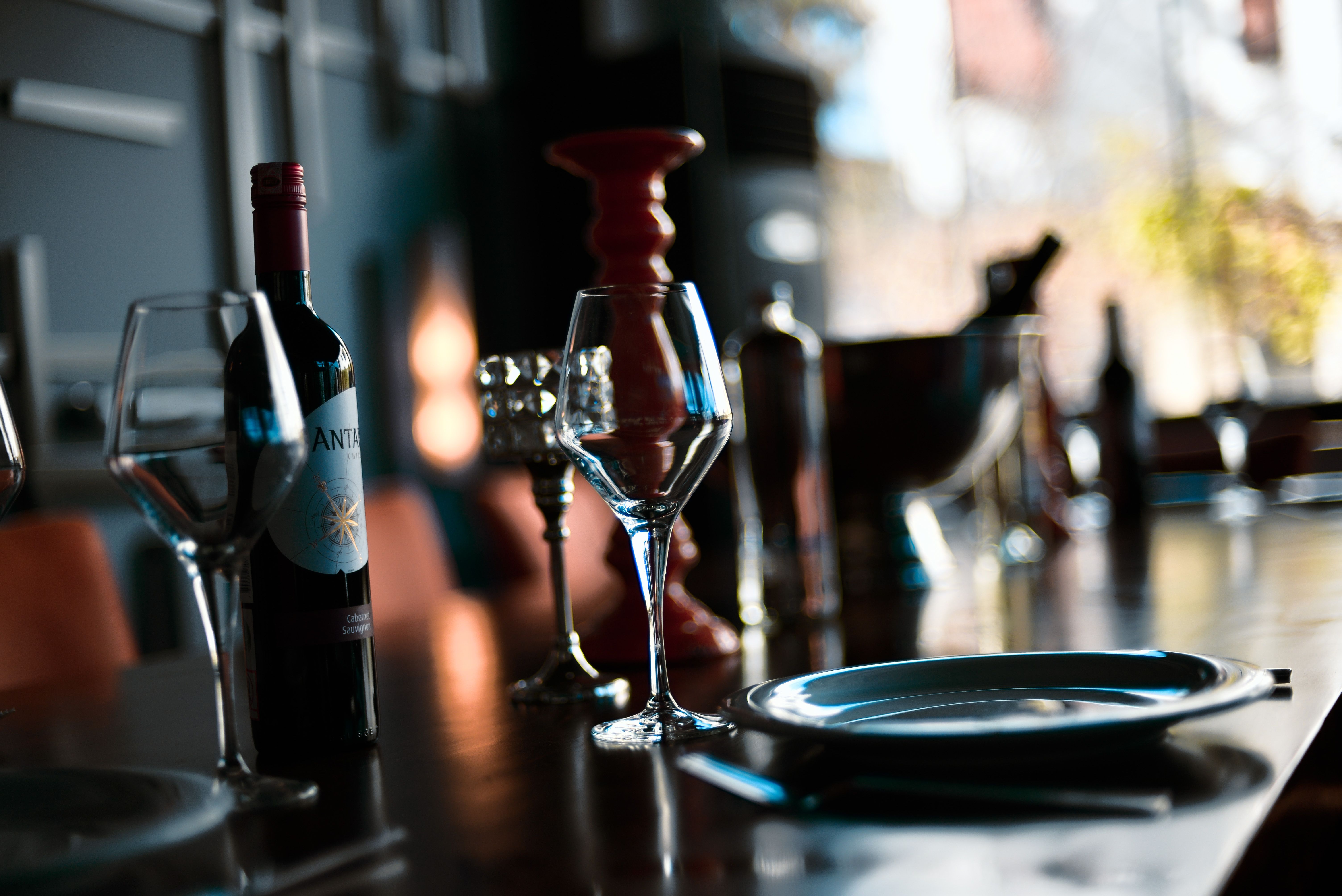
And most importantly: once you understand what you're drinking, you also understand why it's worth investing in a suitable vessel. A carefully chosen wine deserves a wine glass that reveals its aromas, not just a water glass – we'll come back to this at the end of the article.
Anatomy of a label: the mentions you encounter every time
A wine label is read in two stages: first, the information legally required on every bottle sold in France, then the optional details that the producer chooses to add to highlight their work.
Mandatory mentions: what the law requires
Regardless of the producer or the price of the bottle, these elements must always appear on the label:
- The name of the wine or the appellation, which geographically locates the wine.
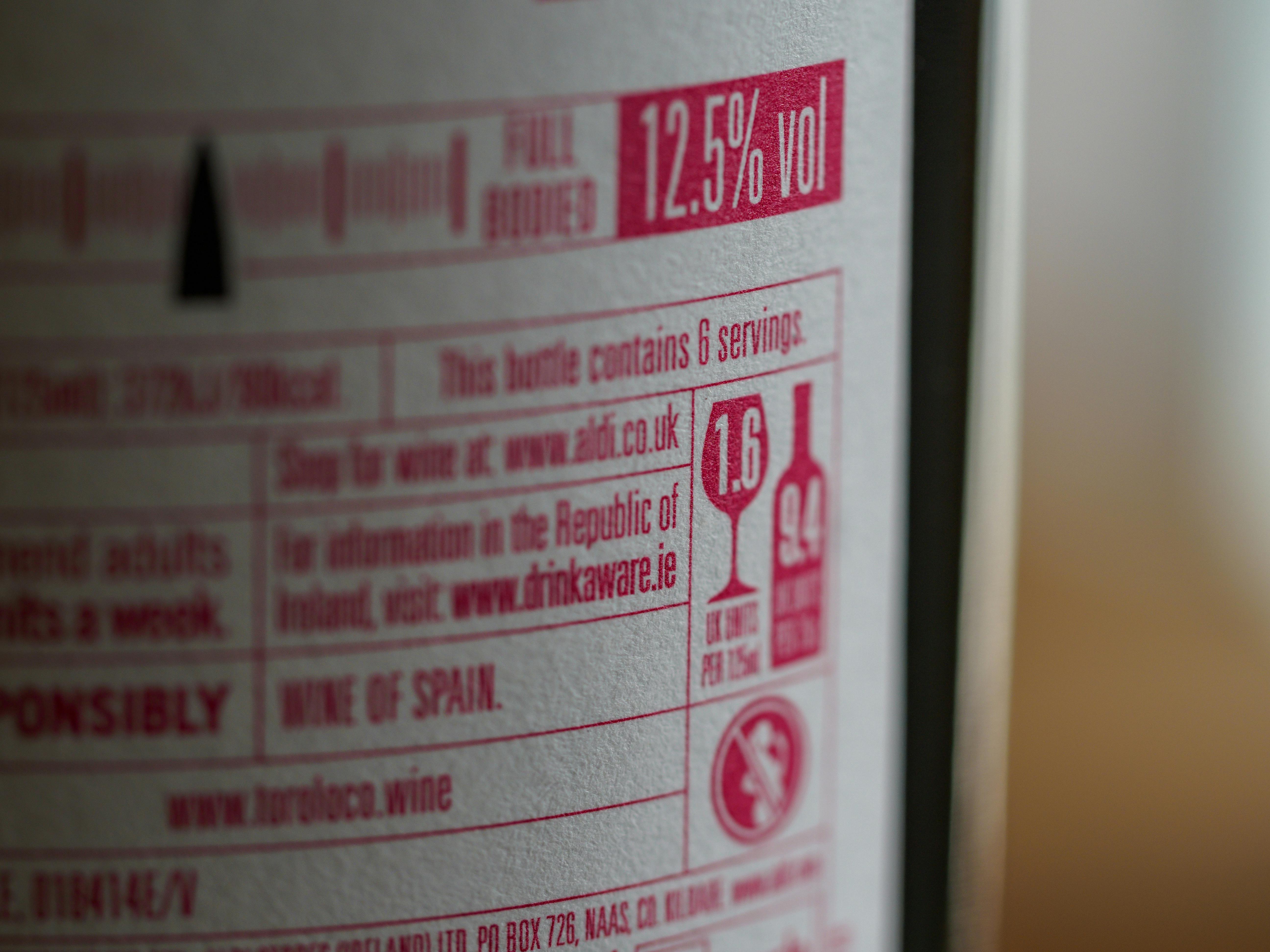
- The alcohol content, expressed as a percentage by volume (% vol.).
- The volume of the bottle, most often 75 cl.
- The country of origin, for example "Product of France" or "Wine of France".
- The mention "contains sulfites", mandatory as soon as they are present, which is the case for almost all wines.
- The name and address of the bottler or producer, as well as a batch number.
These mentions don't say much about the style of the wine, but they guarantee its traceability. This is the regulatory foundation on which all other information is added.
Optional mentions that say a lot
This is often where the most useful information for a beginner is found, as these mentions are freely chosen by the producer to highlight a specific characteristic of their wine.
- The grape variety (chardonnay, merlot, syrah...), when permitted by the appellation's regulations.
- The style: dry, semi-dry, sweet, or "old vines".
- Bottling location: "at the château", "at the estate" or "in the production region".
- An aging indication or a medal obtained in a competition.
The appellation and the estate: reading the terroir in the name
The appellation is undoubtedly the most information-dense line on the entire label. It indicates both a geographical origin and a set of specifications – authorized grape varieties, yields, winemaking methods – that the producer undertakes to respect.
AOP / AOC: the promise of a precise terroir
An AOP (Appellation d'Origine Protégée, the European equivalent of the former French AOC) defines a precise production area, sometimes a simple hillside, and imposes strict rules for cultivation and winemaking. The more restricted the designated area – a communal appellation rather than a regional one – the generally higher the standards.
IGP and Vin de France: more freedom, no less quality
An IGP (Indication Géographique Protégée) covers a wider area with more flexible rules, which gives the winemaker more freedom over grape varieties and blends. The mention Vin de France, on the other hand, does not specify any regional origin but allows the most creative freedom: some very demanding producers voluntarily use it to step outside the frameworks imposed by an appellation.
Estate, château, clos: who owns the wine
The words "estate", "château" or "clos" indicate that a single property cultivated the grapes and made the wine, from start to finish. This is a guarantee of consistency and oversight, as opposed to a blend of grapes purchased from several different producers.
| Mention | What it guarantees | Example |
|---|---|---|
| AOP / AOC | Precise terroir, strict rules | Chablis, Margaux |
| IGP | Large area, flexible rules | IGP Pays d'Oc |
| Vin de France | No origin specified, total freedom | Vin de France |
The vintage: what the year on the label tells you
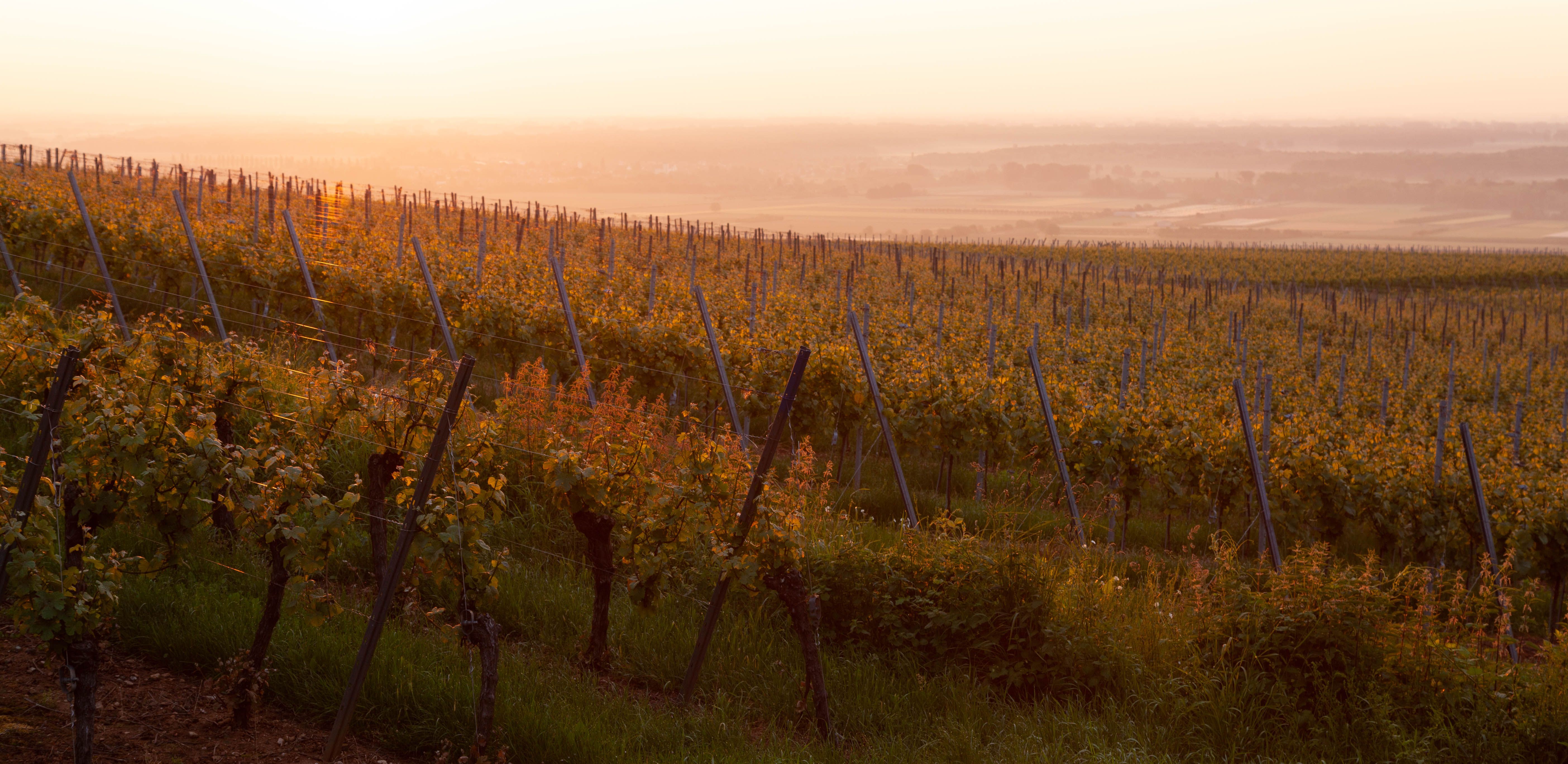
The vintage indicates the year the grapes were harvested, not the year the wine was bottled. This is valuable information, but it doesn't need to be over-interpreted by a beginner: there's no need to memorize a ranking of the best years for each region.
What you need to remember is simpler: the vintage matters most for wines intended for aging, particularly certain reds from Burgundy or Bordeaux, where a cooler or warmer year genuinely influences the wine's balance. For the vast majority of whites, rosés, and wines meant to be drunk within two to three years, the vintage primarily indicates freshness: the more recent it is, the livelier the wine will be.
- A wine without a vintage indication is not a flaw: it's often a blend of several years, common in non-vintage Champagne.
- For a white or rosé, always choose the most recent vintage available on the shelf.
- For an aged red, an older vintage can, on the contrary, indicate a wine already ready to drink.
Alcohol content: an indicator of the wine's style and power
The alcohol content, expressed as a percentage by volume, is not just a regulatory mention: it's a reliable indicator of the wine's general style, directly linked to the ripeness of the grapes at harvest.
Light wines (11% to 12.5%)
These moderate alcohol levels are found mainly in wines from cool regions or early-harvested grape varieties: lively whites, rosés, some light Loire reds. These are easy-drinking wines, perfect for a daily meal or an informal occasion.
Powerful wines (13.5% to 15%)
A higher alcohol content generally indicates fully ripe grapes, from warmer regions or a very sunny vintage. These wines, often structured reds, gain in aromatic intensity and roundness, but sometimes require decanting to fully open up – an opportunity to use a wine decanter or a decanting carafe.
A practical benchmark for hosting: a standard 75 cl bottle can serve about six 12.5 cl glasses of wine – useful for calculating quantities before inviting guests.
Organic, biodynamic, HVE: deciphering environmental mentions
More and more labels display a logo or mention related to more respectful agricultural practices. These labels are not all equal and deserve to be distinguished.
- AB (Organic Agriculture): cultivation without synthetic pesticides or chemical fertilizers, certified by an independent body.
- Biodynamic (Demeter or Biodyvin labels): goes further than organic, with agricultural practices aligned with lunar cycles and specific natural preparations.
- HVE (High Environmental Value): broader French certification, focusing on biodiversity and resource management, with less strict requirements than organic for inputs.
- Vegan: guarantees that no animal products were used during the wine clarification process (some processes use animal proteins).

Label in hand: the simple method for choosing in store
When faced with a shelf, there's no need to analyze everything in detail. Here's the most effective reading order for a beginner, from most to least important.
- Identify the appellation: it indicates the wine's origin and general quality level.
- Check the vintage, especially if it's a white or rosé to be drunk young.
- Look at the alcohol content to anticipate the wine's power.
- Look for a mention of bottled at the estate or château, a guarantee of oversight.
- Note any present environmental labels, if they matter to you.
Now that you know how to choose your wine simply by reading its label, there's one last step to fully enjoy it: tasting it in the best conditions. An appropriate wine glass and, for the most powerful reds, a well-chosen wine decanter make a much bigger difference than one might imagine to what ends up in your glass.
FAQ — Frequently Asked Questions about reading wine labels
To taste your wine in the best conditions
Expert selection by our team — Gustave Montclair catalog


Exclusive reader offer
−10% off the entire catalog
Valid on all our glasses, decanters and accessories.


